

Campervan or Car in New Zealand? How to Choose Your Travel Style
Updated: Oct 20
Updated: 20 October 2026
Morning coffee beside a lake. Walking shoes by the door. Your next stop somewhere beyond the mountains.
It’s easy to see the appeal of a New Zealand campervan holiday.
For some travellers, having their accommodation on wheels is a favourite part of the experience. Others would rather finish the day at a small hotel, meet their B&B hosts, or walk into town for dinner.
Both can make a wonderful trip.
Before hiring a campervan, motorhome or RV in New Zealand, it helps to think beyond the photographs. What will your days actually involve – and will you enjoy that way of travelling?

When a campervan holiday makes sense
If you enjoy camping, spending time outdoors and looking after your own little travelling home, a campervan could suit you well.
There’s something satisfying about keeping your belongings in one place, having lunch supplies close at hand, and settling into a campsite for a couple of nights. For families, familiar surroundings and a regular bedtime setup can also be appealing.
And there are some memorable places to stay. New Zealand’s camping options include holiday parks with shared facilities and simpler Department of Conservation campsites close to nature.
Facilities and vehicle access vary, so choosing the right sites is part of planning the trip.
A campervan is particularly worth considering if the camping experience itself is something you’re looking forward to.

Is a campervan cheaper than a rental car and accommodation?
Sometimes – but it deserves a proper comparison.
Combining transport and accommodation in one booking can look economical. The daily hire rate, though, is only part of the total.
For your dates and route, check:
Vehicle hire, insurance options and the excess you would be responsible for.
Fuel and any separately charged road user charges.
Campsite fees, including powered sites where needed.
Equipment hire and optional extras.
Any one-way, additional-driver or cleaning charges.
Vehicle ferry costs if you intend to travel between the islands.
Ask the rental company to make clear what is included in its quote.
Then compare that with a rental car and the accommodation you would actually choose. A mix of motels, apartments and B&Bs will produce a different result from a journey staying entirely in luxury lodges.
Your travel dates and vehicle choice matter too. A compact campervan and a larger motorhome offer different levels of space and comfort, and rental rates vary by season.
Cooking some meals yourself may help your budget, although many motels and apartments also have kitchen facilities.
The useful question is: what will each version of your holiday cost, with the things you want included?
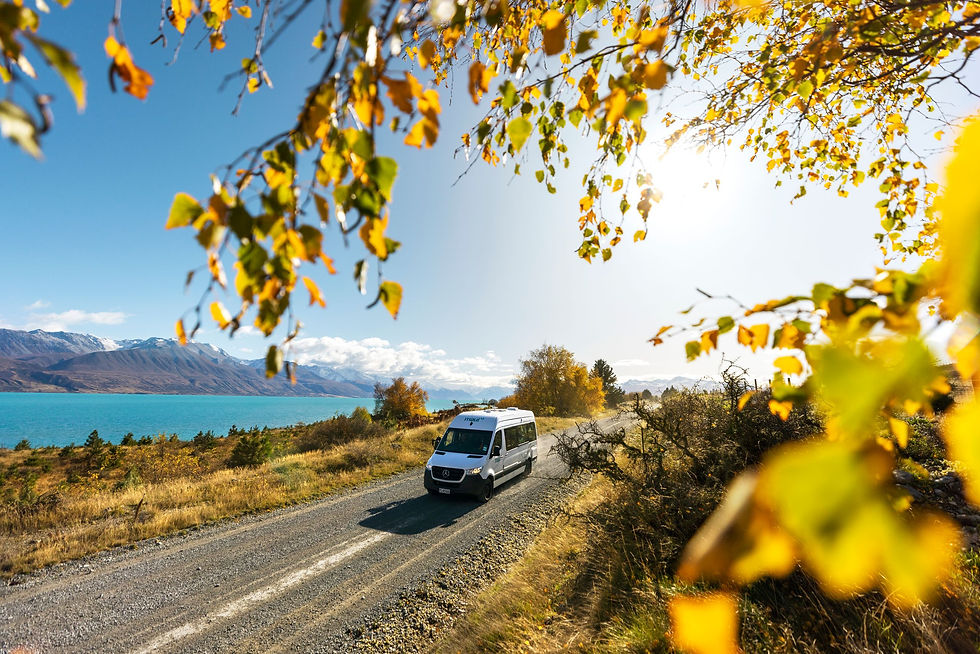
Freedom camping still needs planning
That photograph of a campervan beside an empty lake might show a permitted overnight spot. It might also show somewhere you can stop during the day.
You cannot assume that a scenic parking space is somewhere you can sleep.
On council land, vehicle-based freedom camping generally requires a vehicle certified as self-contained under the current system, unless the site is specifically designated for non-self-contained vehicles. Rental vehicles used for this purpose need a green warrant. Local restrictions still apply – certification does not give you permission to camp everywhere.
DOC land has its own rules and site restrictions. Check the official information and signs for each place you intend to stay.
It’s sensible to plan a mix of suitable overnight stops rather than build your budget around free camping every night.
Booking ahead can also be part of a campervan holiday. Many DOC campsites require advance reservations, while sites that operate on a first-come basis cannot guarantee you a space.
There’s still room for spontaneity. It just helps to know your options.

Think about the everyday routines
Before booking, picture an ordinary evening.
You’ve returned from a walk. It’s raining. Someone wants a shower, someone is hungry, and there are wet jackets to deal with.
How would that work in the vehicle you’re considering?
Look closely at the layout. Is the bed permanently made up, or does the dining area need converting each night? How much luggage can you store? What bathroom facilities are there? Can you comfortably spend an evening inside?
You’ll also need to understand the vehicle’s water, wastewater, toilet and power arrangements.
For experienced campers, these routines may be second nature. If you’ve never travelled this way, they’re worth considering before committing your whole holiday to it.
The right vehicle can make a considerable difference.

Choose a route you’ll enjoy driving
A campervan holiday works best when the driving feels like a comfortable part of the day.
Think about the size of vehicle you’re happy handling, where you want to go, and how often you want to move. Parking for a café stop or exploring a town deserves consideration alongside the scenic stretches.
Some DOC campsites have access roads that are unsuitable for certain campervans, including narrow, steep or winding approaches. Check both campsite access information and your rental agreement before including them in your route.
Whatever you drive, allow time for the places between your overnight stops. A short-looking distance on the map can become a full day once you add a walk, lunch and a few places you hadn’t expected to find.
I’d much rather help you build a journey with time to enjoy those discoveries than fill every day with another long drive.

When a rental car and accommodation might suit you better
A car gives you the independence of a road trip, with more choice about how you spend your evenings.
You might stay in a waterfront apartment, a country B&B, a small hotel near the restaurants, or somewhere with a garden worth lingering in over breakfast.
This approach may suit you if you value a private bathroom, more indoor space, or being able to leave your accommodation set up while you explore.
It can also be a good fit if food, wine, galleries and time in towns feature strongly in your plans. Choosing somewhere within walking distance of dinner can become part of the pleasure.
Accommodation is one of the ways a journey develops its character. For some people, those different places and hosts are as memorable as the scenery.
Could you combine both?
Yes – a campervan can be one part of a wider New Zealand trip.
You might begin with a few nights in a city, collect a campervan for a regional journey, then finish somewhere you can unpack and put your feet up.
However, a short hire still needs to work practically. Check minimum hire periods, collection and return locations, and how much time the handovers will take.
There’s no ideal number of campervan nights that suits everyone. Some travellers will love a longer journey; others will enjoy a shorter introduction.
The combination should earn its place in your itinerary.

Choose the holiday you want to have
When I help design a New Zealand trip, I want to know what you’re looking forward to.
Perhaps it’s opening the campervan door to birdsong. Perhaps it’s chatting with your hosts over breakfast, or wandering back from dinner with tomorrow already taken care of.
Tell me about those moments.
At Great Kiwi Trips, we can help you consider how transport, places to stay and the pace of your journey will work together – including a campervan experience where it suits your plans.


